Archival Digitization Explained: What It Really Means and Why It Matters More Than Ever
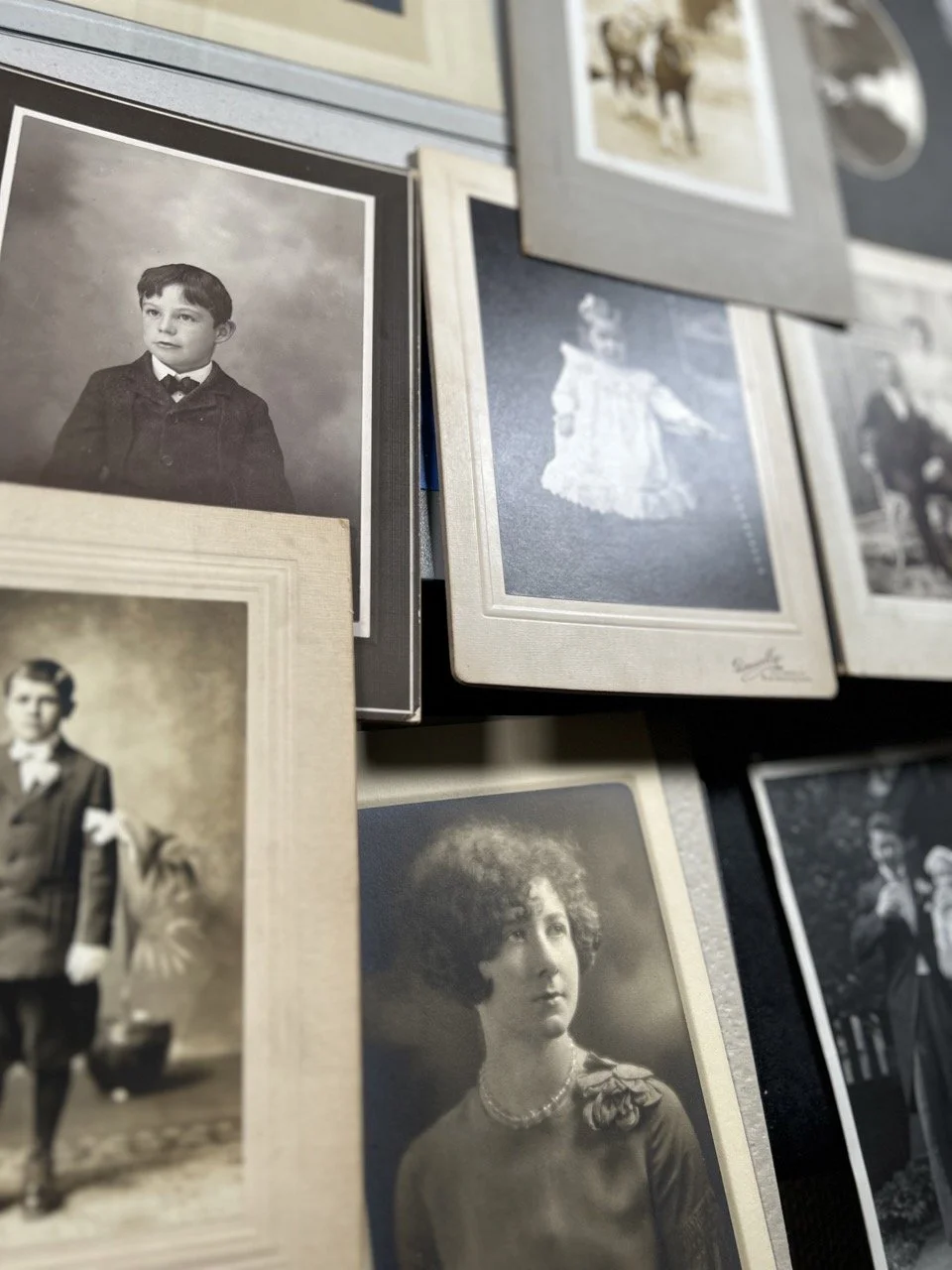
When people hear “digitization,” they usually think of scanning photos or copying VHS tapes to a USB drive. And while that is digitization, it’s not archival digitization.
There’s a big difference.
Archival digitization is a preservation-first process designed to protect irreplaceable photos, videos, film, and documents, not just for today, but for decades into the future. It’s the difference between simply converting media and properly preserving a legacy.
As a professional archival digitization studio serving Connecticut, Hartford County, and clients worldwide, this is one of the most common misunderstandings that I see. So let’s break it down clearly.
What Is Archival Digitization?
Archival digitization is the careful, methodical process of converting physical media into high-quality, preservation-grade digital files, using standards and techniques designed for long-term access and future technology changes.
This includes:
Printed photographs
Albums and scrapbooks
Slides and negatives
VHS, Hi8, MiniDV, and other videotape formats
Film reels
Audio recordings
Historical documents
Unlike standard photo scanning or big-box digitization services, archival digitization prioritizes:
Media safety
Image and video fidelity
Long-term usability
Accurate organization and context
This is the same approach used by museums, historical societies, and professional archives, applied to family and personal collections.
Archival Digitization vs. Standard Scanning
Most consumer digitizing services focus on speed and volume. Archival digitization focuses on accuracy and longevity.
Standard services typically:
Batch-scan media with minimal handling
Skip cleaning or inspection
Use heavy compression
Produce files meant only for casual viewing
Often outsource work to third parties
Archival digitization involves:
Hands-on inspection and preparation
Cleaning media before capture
Higher resolution and color depth
Minimal compression
File formats chosen for long-term preservation
If your photos or tapes can’t be replaced, they shouldn’t be treated like cheap, disposable data.
Why Cleaning and Preparation Matter
One of the biggest differences in archival work happens before anything is scanned. Dust, fingerprints, residue, mold, and aging materials permanently affect image and video quality if they aren’t addressed first. Once that damage is captured digitally, it’s baked into the file forever.
Professional archival workflows include:
Gentle cleaning of photos and slides
Inspection for mold or deterioration
Stabilizing fragile or curled materials
Tape inspection and cleaning before playback
Skipping these steps is one of the main reasons low-cost digitization often produces disappointing results.
Resolution, File Quality, and Future-Proofing
Archival digitization isn’t about making files that look good only on today’s phones or tablets. It’s about creating files that still hold up when technology changes.
That means:
Scanning at resolutions higher than consumer standards
Preserving tonal range and fine detail
Avoiding unnecessary compression
Using widely supported, archival-friendly file formats
A properly archived photo should be:
Printable at large sizes
Editable without quality loss
Searchable and usable in future systems
The same applies to video and audio; clarity, integrity, and faithful reproduction matter far more than shortcuts.
Preserving Original Order and Context
One of the most overlooked parts of archival digitization is structure.
The order of photos in an album.
The sequence of slides in a carousel.
The handwritten labels on tapes.
That context is part of the story.
Archival digitization preserves:
Original sequencing
Logical folder structures
Clear, human-readable file naming
This makes digital collections easier to understand, search, and pass on, especially for family members who weren’t there when the memories were created.
Archival Digitization in the Age of AI
We’re now living in an era where AI can:
Recognize faces
Identify locations
Read handwriting and printed text
Organize and search large photo libraries
But AI can only work with what it’s given. Low-quality scans, poor organization, and compressed files limit what future tools can do. High-quality archival files unlock far more value over time.
Archival digitization ensures your collection is:
Structured and searchable
Compatible with AI-assisted tools
Protected from platform lock-in
Preserved with ethical data ownership in mind
Who Archival Digitization Is For
Archival digitization is ideal for:
Families preserving irreplaceable memories
Genealogists and historians
Museums and historical societies
Artists and photographers
Anyone who values longevity over convenience
If your media matters to future generations, it deserves more than a rushed process.
The Bottom Line
Archival digitization isn’t about doing more work; it’s about doing the work correctly.
It respects:
The original material
The people and stories captured
The technology of today and tomorrow
Done right, digitization isn’t just a service.
It’s an investment in preserving history.
About Digital Legacy Studios
Digital Legacy Studios is a white-glove archival digitization and media preservation studio serving West Hartford, Hartford County, Connecticut, and clients worldwide. We specialize in museum-grade photo scanning, video digitization, metadata structuring, and long-term digital preservation—never outsourced, never automated, and never treated as disposable data.
