Digital Decay Is Real: Why Your Family Photos and Videos Won’t Last Forever
Most people believe that once something is saved digitally, it’s safe forever. It’s an understandable assumption, after all, there’s no fading, no physical damage, no shoebox sitting in a damp basement. But the reality is the opposite. Digital photos and videos are often more fragile than physical prints, just in ways that are invisible until the damage is already done.
This phenomenon is called digital decay, and it’s already happening to millions of families, often without them realizing it.
Digital decay doesn’t look like a photograph turning yellow or cracking at the edges. It shows up quietly. A photo that won’t open one day. A video that suddenly has no sound halfway through. A folder of images that looks fine until you click on one and get an error message. Sometimes the files are still there, taking up space, but they’re no longer usable or trustworthy. And in many cases, they’re gone for good.
One of the most common and least understood causes of this is something called bit rot. Every digital file is made up of binary code, millions of tiny 1s and 0s stored on a physical medium. Over time, those bits can change. A 1 becomes a 0, or a 0 becomes a 1, and suddenly the file isn’t what it used to be. I’ve seen this happen in real scenarios where a family opens an old hard drive and finds photos with strange pixelation, color distortion, or files that simply refuse to load. The scariest part is that there’s usually no warning. The corruption could have happened years earlier, and you wouldn’t know until you tried to access it.
Even if your files remain perfectly intact, the device they’re stored on is another major point of failure. Every storage device, hard drives, SSDs, and USB drives have a lifespan. Hard drives, for example, often start failing within five years. Sometimes they give warning signs, like clicking noises or slow performance, but other times they just stop working entirely. I’ve worked with clients who had thousands of family photos stored on a single external drive, only to have it fail overnight. No backup. No recovery. Just gone. And while data recovery services exist, they’re expensive and not guaranteed.
Then there’s the issue of obsolete formats and outdated technology, which is becoming more common as technology evolves faster than ever. Think about MiniDV tapes, old camcorders, or even certain video file formats from the early 2000s. You might still have the files, but no way to play them. I’ve had clients come in with perfectly preserved tapes or discs, only to realize they no longer own a device capable of reading them. It’s not that the memories disappeared; it’s that the bridge to access them did.
A lot of people assume cloud platforms solve all of this, but that introduces a different kind of risk. Platforms like Google Photos, iCloud, or social media feel like a safe place to store memories, but they’re not designed for long-term preservation. When you upload photos, they’re often compressed, reducing their original quality. Metadata, like dates, locations, and camera details, can be stripped away. And perhaps most importantly, you don’t control the platform. Accounts can be locked, services can change, and companies can shut down features or entire products. I’ve seen situations where someone thought everything was safely backed up, only to realize they were looking at lower-quality versions with missing information.
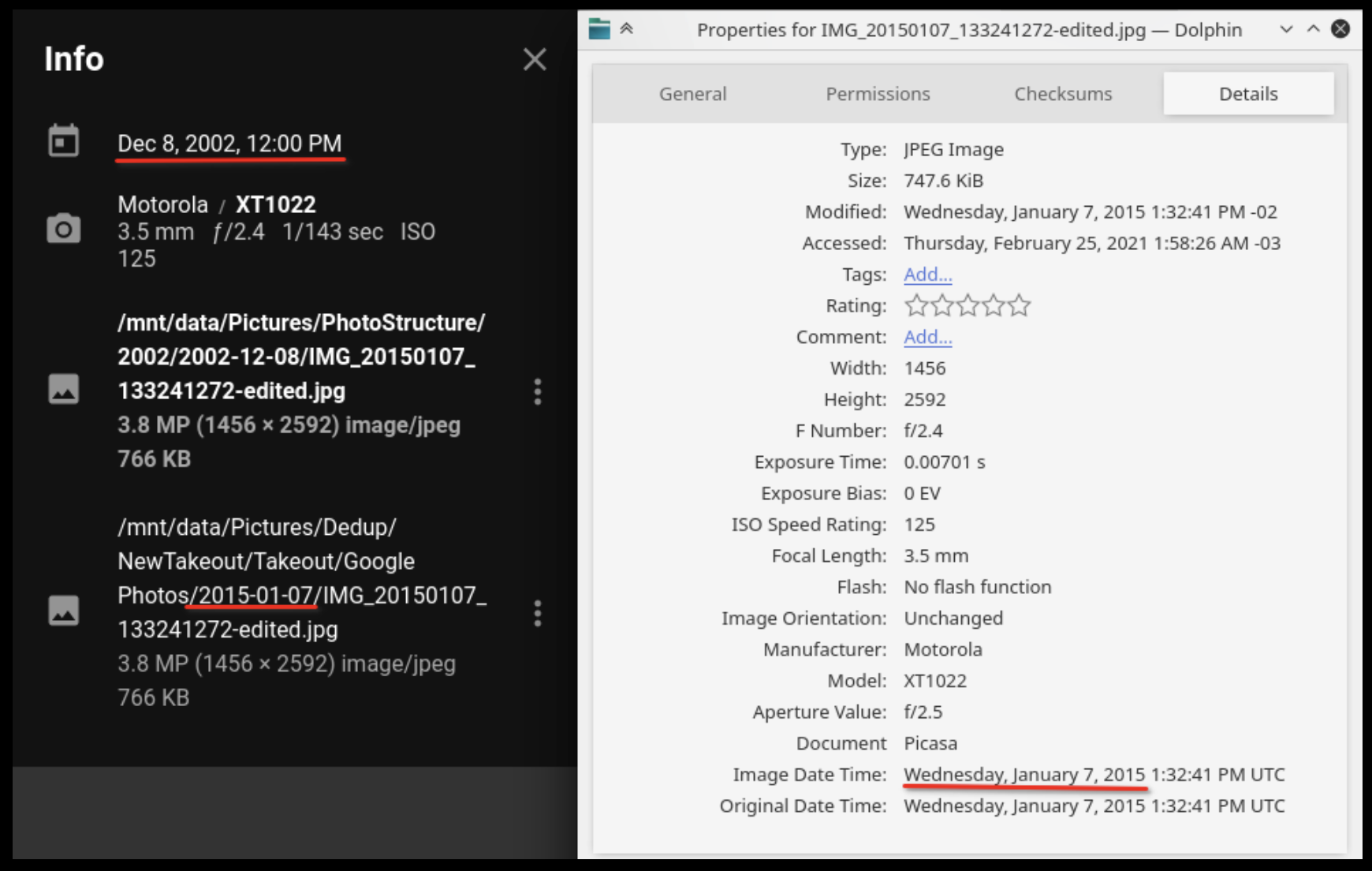
And then there’s what I consider the most devastating form of digital decay: metadata loss. This is the part most people overlook because it’s not technical; it’s human. A photo without context is just an image. If you don’t know who is in it, when it was taken, or why it mattered, the meaning is lost. I’ve worked with families who inherited thousands of photos after a loved one passed, only to realize no one knew who the people were. The images were still there, but the stories were gone. And once that context is lost, it’s almost impossible to recover.
This is where the biggest misconception comes in. Most people think they’re preserving their memories when they’re really just storing them. Storage is passive; it’s putting files somewhere and assuming they’ll be fine. Preservation is active. It’s making sure those files will still exist, still be accessible, and still make sense decades from now.
True preservation requires intention. It means having multiple copies in different places, organizing files in a way that someone else can understand, embedding meaningful metadata, and choosing formats that will still be supported in the future. It also means revisiting your collection over time, checking that files still work, updating formats when needed, and making sure nothing has been lost along the way.
This matters more now than ever. We are creating more photos and videos than any generation in history, but we’re also at risk of losing more of them. Without the right systems in place, this could become the most documented and least preserved era of human history.
Your family’s story shouldn’t depend on a single hard drive, a forgotten password, or a platform that may not exist in ten years. It deserves something more intentional.
That’s the difference in approach at Digital Legacy Studios. This isn’t just about digitizing media or moving files from one place to another. It’s about building a system around your memories, one that protects them from data loss, keeps them organized and meaningful, and ensures they remain accessible as technology continues to evolve.
Because in the end, this isn’t about files. It’s about making sure your story is still there, clear, complete, and understood, for the people who come after you.
And if your digital memories aren’t being actively preserved, they’re already at risk.
